
A survey found 85% of nonprofits said proving impact was a top priority and 70% of funders reported they look for evidence of impact before giving. Case studies are where you make that impact.
Yet, non‑governmental organizations (NGOs) and international development agencies often produce flat project reports that fail to connect with their audience.
There’s no impact. In fact, there may not even be any readers.
A strong case study tells a story, explains decisions, and demonstrates impact. It also helps the public understand how complex initiatives operate.
And, most importantly, a strong case study on your organization attracts interest.
This guide outlines five ways to write better project case studies for your NGO website. It draws on authoritative resources for case study development and showcases real examples, including our experience building a database of adaptation case studies.
1. Choose a meaningful topic and define the context
A good case study starts with a clear topic. It should describe a project that speaks to your audience’s concerns and highlights your organization’s mission. For example, the case study guidance tool from the Global Disaster Preparedness Center (GDPC) [PDF link] stresses that strong cases define the context and challenges before diving into solutions. However, many case studies fail because they jump straight to success stories without first explaining the problems they address.
Tips:
- Identify a pressing issue: Pick a project that tackles a real barrier in development, such as climate adaptation, health, education, or human rights. Make sure it aligns with your organization’s objectives and the interests of donors and partners.
- Describe the setting: Offer background on the location, community, and environment. The GDPC guide notes that effective cases provide an in‑depth description of place, people, and context, including cultural and political factors.
- Frame the challenge: Outline the problem clearly. Explain why it matters in the broader context of international development. In the IPCC’s case study [PDF link] on cross‑boundary adaptation in Central Asia, water scarcity has been ranked among the top five global risks. The authors then explain how glacier variability and climate extremes add uncertainty to water management in the region. You can use a similar approach to frame issues in your case study.
- Avoid generic topics: Don’t pick a project just because it’s your most recent effort. Choose one that illustrates a wider lesson and offers transferable insights.
Set the scene carefully to help readers understand why the project matters and prepare them to follow the story.
2. Explain decisions, solutions and lessons learned
Case studies are more than just celebratory stories of success.
The GDPC guide indicates a well‑rounded case explains the decisions that were made and the solutions that were implemented, and it identifies key lessons and innovations. The guide also encourages authors to go beyond traditional “success story” formats and to tell a balanced, detailed narrative with real‑world complexity.
Tips:
- Describe the decision‑making process: Outline who was involved, what options were considered, and why certain actions were chosen. Transparency helps readers appreciate the rationale behind a project.
- Present the solution clearly: Explain how the project addressed the problem. In the Central Asia case study, the focus shifts from describing water scarcity to highlighting water‑saving technologies and coordinated management across borders. Your own case study might describe how you implemented a monitoring system or designed a capacity‑building program.
- Highlight trade‑offs and challenges: Share what didn’t work as well as what did. The GDPC guide advises case developers to explore strengths, weaknesses, and trade‑offs to stimulate critical thinking. A candid discussion of setbacks increases credibility and helps other practitioners avoid pitfalls.
- Share lessons and recommendations: Summarize the main takeaways. These could include process improvements, stakeholder engagement strategies, or technical innovations. Clearly state how these lessons can inform future projects.
A case study that explains decisions and lessons adds value by demonstrating thoughtful planning rather than simply celebrating outcomes.
3. Amplify local voices and human stories
People connect with stories more than statistics. Including voices from the field brings a case study to life. The GDPC guide notes that case studies should give readers the experience of “being there.” Characters and quotes make the narrative relatable and memorable.
Tips:
- Introduce the people behind the project: Describe community members, beneficiaries, and project staff. Explain their roles and backgrounds in the story.
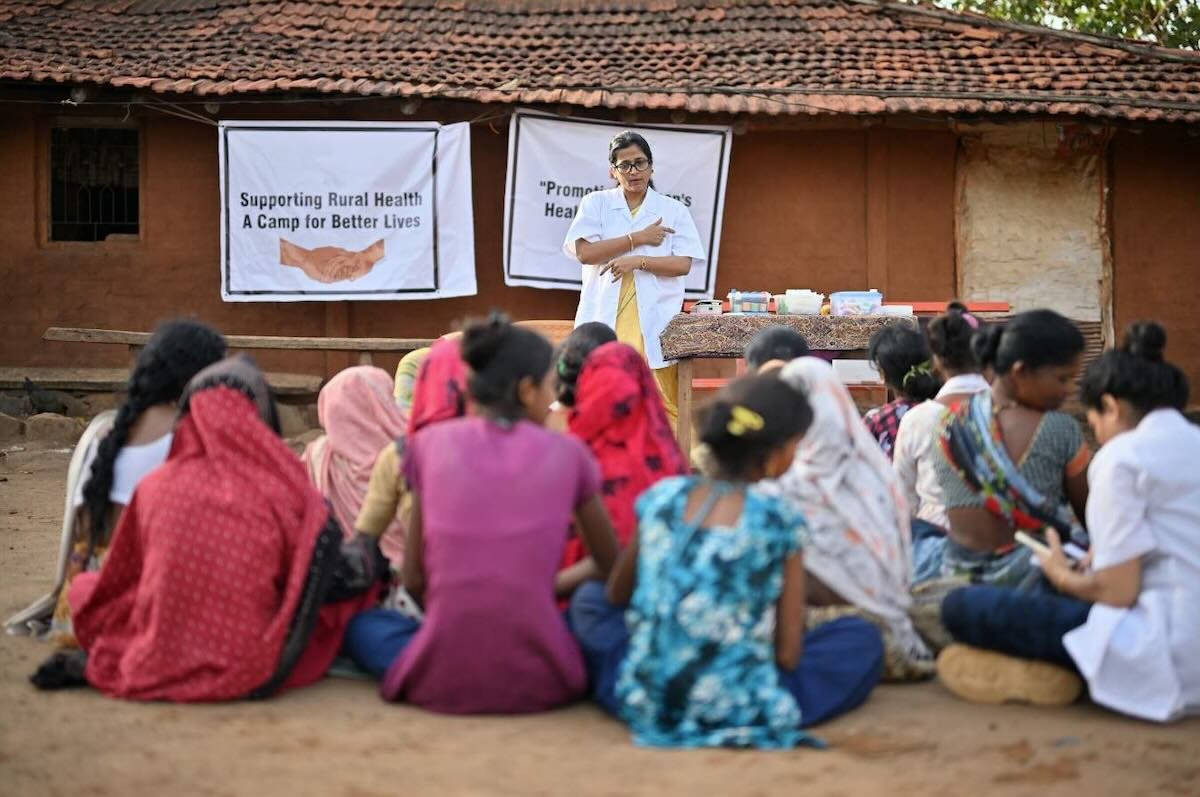
- Include quotes and testimonies: Let stakeholders speak for themselves. In UNDP’s case study [PDF link] on the Moyna women’s group in Bangladesh, 25 women from an impoverished village learned to cultivate climate‑resilient sesame after training under a GCF‑funded project. The members are now educating their families and neighbors about the crop’s benefits. Including their voices in your case study illustrates empowerment and adaptation in action.
- Highlight gender and equity dimensions: Many NGOs work to promote social inclusion. Show how women, youth, or marginalized groups participate in and benefit from the project. This demonstrates that your organization values equity and listens to those it serves.
- Use sensory details: Describe sights, sounds, and experiences to take readers to the scene and/or trigger their memories. For example, mention the salinity‑affected fields where the Moyna women plant sesame or the remote highlands where water pipes were installed. Small details make the story tangible and help readers imagine the setting.
Center people rather than just the organization, so your case study becomes an authentic narrative rather than a generic report.
4. Ground your story in data and evidence
Narratives alone aren’t enough. A compelling case study uses data to support claims and show impact. The GDPC guide emphasizes that case research should involve data collection and interviews. It also recommends a thorough review of data to resolve contradictions and ensure accuracy. Facts lend credibility and help readers trust your work.
Tips:
- Collect quantitative and qualitative data: Use project monitoring data, surveys, and interviews. For example, track the number of beneficiaries served, funds raised, or environmental indicators. Pair numbers with stories to illustrate change.
- Cite reputable sources: When providing context, reference authoritative studies or reports. The IPCC notes that water scarcity is a top risk in Central Asia. Cite such sources to situate your project in the broader literature and give readers external points of reference.
- Compare baseline and outcomes: Show how conditions changed after the intervention. Did crop yields improve? Did children’s school attendance increase? Presenting before‑and‑after data makes impact tangible.
- Visualize data: Tables, charts, and infographics help readers grasp complex information quickly. For online case studies, include photos and simple graphics with descriptive alt text to improve accessibility for all users.
- Verify accuracy: Cross‑check figures and statements. The GDPC guide encourages practitioners to drill down during research to ensure the final case is a balanced, detailed story. Double-check calculations and facts to avoid any errors.
Combining narrative with evidence strengthens your case study’s credibility and positions it as a reliable resource for practitioners.
5. Structure and polish your case for clarity and replication
How you present information matters. A disorganized case study can confuse readers, while a clear structure makes it easy to follow. The GDPC guide indicates that case studies should help readers understand how and why certain decisions and actions were taken, and what the consequences were. A well‑structured case can also serve as a template for others to replicate.
Tips:
- Use a logical outline: Organize your case study into sections: introduction, context, challenge, solution, outcomes and results (for quantifiable and qualifiable metrics), and lessons learned. This layout coherently guides readers through the narrative.
- Write concise paragraphs: Keep sentences short and direct. Avoid jargon unless your audience is highly specialized. Aim for readability to reach a broad spectrum of PR officers, decision‑makers, and media managers.
- Include subheadings: Break up long sections with clear headings. This improves scan‑ability and SEO. Use descriptive titles such as “Defining the Challenge” or “Outcomes and Impacts.”
- Provide replication details: Share information that allows other organizations to replicate or adapt your approach. Describe resources needed, timelines, and stakeholder engagement strategies. In an Oxfam climate adaptation case study, eight communities across Asia have been coping with diverse climate risks, helping the international community understand the value of adaptation.
- Edit and proofread: Errors undermine trust. Review your case study carefully or engage a professional editor. At WorldEdits, in addition to writing case studies, we offer certified native-English editing services with a perfect on‑time delivery record.
A polished, well‑structured case study reflects your organization’s professionalism and makes it easier for others to learn from your experiences.
Putting it into practice: NGO case study examples from Asia
WorldEdits has compiled a database of adaptation‑related case studies for a climate research organization. These case studies show how organizations across Asia are responding to climate challenges. They include examples such as:
- Community‑based water management: Projects in the Lower Mekong region illustrate how communities and governments coordinate to manage floods and droughts across borders, echoing the IPCC’s emphasis on cross‑boundary adaptation.
- Coastal resilience and women’s livelihoods: The Moyna women’s group in Bangladesh demonstrates how targeted training enables women to adopt climate‑resilient crops, strengthening food security and empowering local leaders.
- Urban adaptation and local action: Oxfam’s case study on eight vulnerable communities in Asia explores diverse adaptation measures – from community seed banks in China’s Hebei province to new farming practices in Nepal’s mountain regions. These examples show the ingenuity of local communities when facing climate risks.
Studying diverse cases helps practitioners see what works in different contexts and adapt those strategies to their own projects.
Make your case study resonate
Writing better project case studies requires more than collecting quotes and photos. It involves careful topic selection, context setting, transparent decision‑making, human‑centered storytelling, evidence‑based reporting, and clear structure. Authoritative guidelines emphasize defining the context, explaining decisions and identifying lessons learned, while encouraging balanced, detailed narratives that go beyond success stories. Real examples from Asia show how focusing on people and data can make development projects tangible and relatable.
As you develop case studies for your NGO or organization, use these five approaches to produce compelling stories that inspire action and improve public understanding. They’ll help you showcase impact, share lessons, and strengthen your reputation as a trusted voice in international development.
If you just need writing or editing for your NGO or organization’s case study. We can do it all for you. Please get in touch.